






































































































How the Russia-Ukraine War Is Driving Inflation in Kenya
Explore how global conflict is increasing food prices, fuel costs, and operational pressure for Kenyan businesses in 2026.

War Is Trending. So Is Inflation.
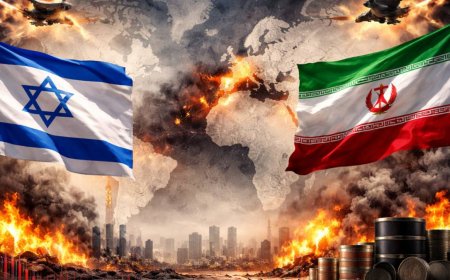
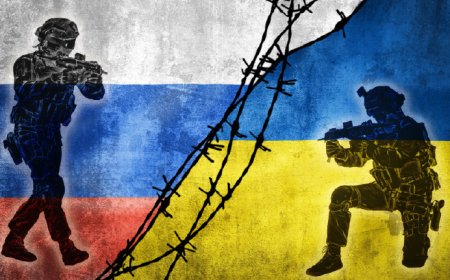
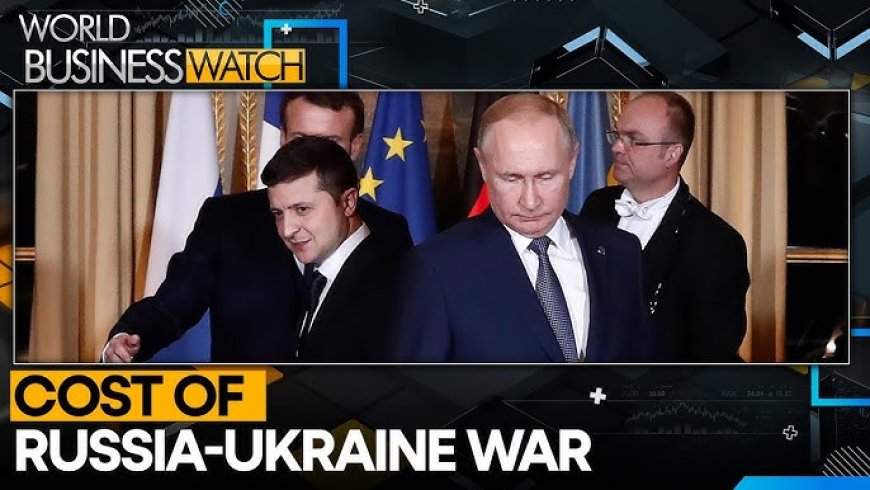
When global headlines spotlight the Russia-Ukraine War, many consumers scroll. CEOs calculate.
What looks like a geopolitical standoff is, in reality, a pricing model disruption.
Russia and Ukraine historically account for a significant share of global wheat, fertilizer, and sunflower oil exports. When conflict disrupts production or shipping, global commodity markets react instantly. Futures spike. Insurance premiums rise. Energy markets fluctuate.
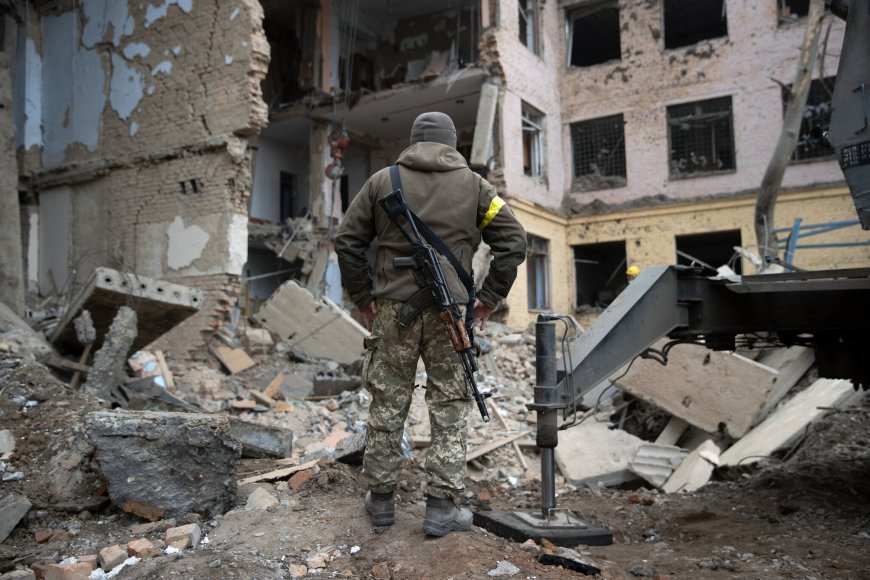
For Kenya, an economy deeply connected to global supply chains, the ripple effects are immediate:
-
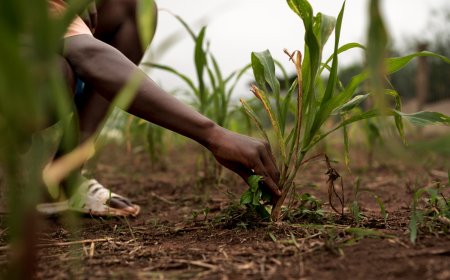
Fertilizer prices increase, affecting agricultural yields
-
Grain imports become more expensive
-
Food inflation pressures household spending
-
Fuel price volatility drives transport costs upward
-
SMEs operate with shrinking margins
This is not hypothetical economics. It is operational strain.
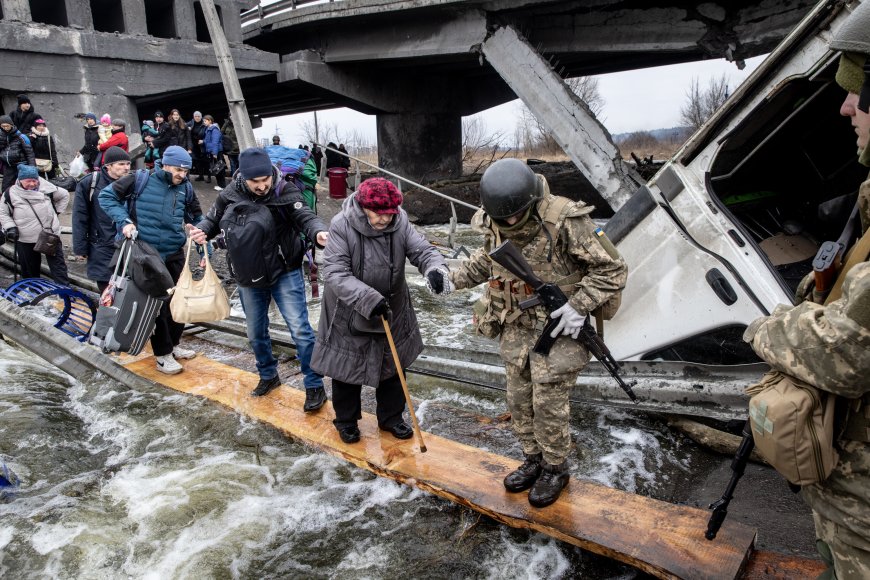
And the danger lies in underestimating how interconnected markets have become. A farmer in Eastern Europe faces shelling; a bakery in Nairobi adjusts flour pricing weeks later.
The uncomfortable truth? Businesses that rely purely on reactive pricing will struggle. Those implementing structured forecasting, diversified sourcing, and disciplined financial planning stand a better chance of surviving prolonged instability.
Inflation is no longer cyclical noise. It is geopolitical.
And the CEOs who understand that early are already recalibrating.
As global volatility reshapes local realities, leadership conversations around governance, resilience, and sustainable growth are becoming increasingly critical. These themes continue to shape discussions at platforms like the upcoming April Summit edition of the CEOs Forum.
What's Your Reaction?
 Like
0
Like
0
 Dislike
0
Dislike
0
 Love
0
Love
0
 Funny
0
Funny
0
 Angry
0
Angry
0
 Sad
0
Sad
0
 Wow
0
Wow
0