





































































How Global Geopolitics Could Reshape the Continent’s Power
As global tensions rise and supply chains shift, Africa faces a defining geopolitical moment. Can the continent turn global instability into economic leverage, diplomatic influence, and strategic power?

Africa’s Strategic Moment: Turning Global Chaos Into Continental Power
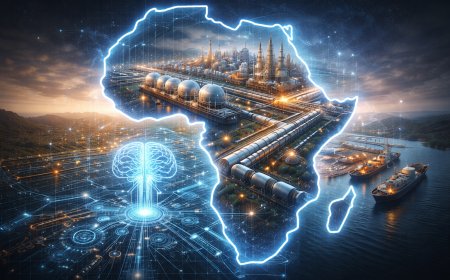
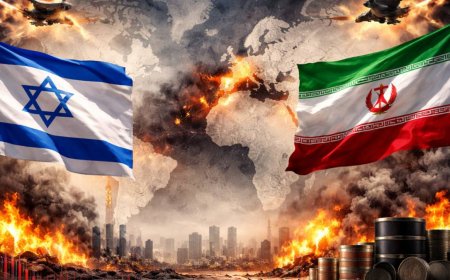
The world is entering a turbulent geopolitical era. Rising tensions in the Middle East, slowing global markets, and shifting power dynamics are shaking the foundations of the international system. For Africa, this moment is more than distant political drama-it is a strategic crossroads that could redefine the continent’s role in global affairs.
Historically, whenever global powers clash, Africa absorbs the economic aftershocks. Oil price spikes drive up transport and production costs. Fertilizer shortages threaten agriculture. Food import bills surge, inflation rises, and currency volatility strains national budgets. Despite being heavily affected by these crises, Africa is rarely central in the decisions that shape them.
But global instability also creates opportunity.
From Spectator to Strategic Actor
Africa holds 54 votes in the United Nations General Assembly, one of the largest voting blocs in global diplomacy. Yet this potential power is often diluted by fragmentation along historical, political, or economic lines.
If coordinated effectively under the African Union, this collective voice could become a decisive force in shaping international negotiations, influencing resolutions, and demanding reforms that reflect today’s geopolitical realities.
Strategic Non-Alignment in a Multipolar World
The Cold War era produced the Non-Aligned Movement. Today’s complex global tensions demand a smarter approach: strategic non-alignment rooted in economic self-interest.
Rather than choosing sides in global rivalries, Africa can focus on three priorities:
-
Continental coordination
-
Economic sovereignty
-
Institutional reform
This approach allows the continent to advocate for peace and stability while pushing for structural reforms in global governance, particularly the United Nations Security Council, where Africa still lacks permanent representation despite its population of over 1.4 billion people.
The Economic Stakes
For African economies, geopolitical crises quickly translate into real financial pressure. Energy price shocks increase production costs, supply chain disruptions raise food prices, and sovereign debt vulnerabilities deepen as governments struggle to stabilize their economies.
To protect developing economies from these shocks, Africa must advocate for global mechanisms such as crisis-triggered debt relief, stable commodity supply chains, and emergency liquidity support.
Africa’s Hidden Leverage
Paradoxically, the same global tensions that threaten African economies also increase the continent’s strategic importance. Major energy producers such as Nigeria, Angola, Algeria, and Libya become vital to global supply calculations during Middle East instability. Meanwhile, Africa’s critical minerals are essential to the global energy transition.
The challenge is ensuring these resources drive industrial transformation rather than continued dependency. Local refining capacity, technology transfer, and energy-linked industrial corridors could turn resource wealth into long-term economic growth.
A Defining Moment
The global order is fragmenting. Supply chains are regionalizing and power is diffusing across multiple centers. In such a world, influence belongs to those who organize strategically.
Africa already has the numbers, the resources, and the demographic momentum. What remains is coordination.
If the continent speaks with one voice and links diplomacy with economic strategy, it can move from the margins of global crises to the center of global solutions.
History rarely waits for perfect conditions. And this moment may well be Africa’s strategic opening.
What's Your Reaction?
 Like
0
Like
0
 Dislike
0
Dislike
0
 Love
0
Love
0
 Funny
0
Funny
0
 Angry
0
Angry
0
 Sad
0
Sad
0
 Wow
0
Wow
0