














































































































Food Security and Business Risk in Kenya 2026
Understand how global conflict affects fertilizer prices, food inflation, and consumer spending patterns in Kenya.
Food Security Is the New Boardroom Agenda
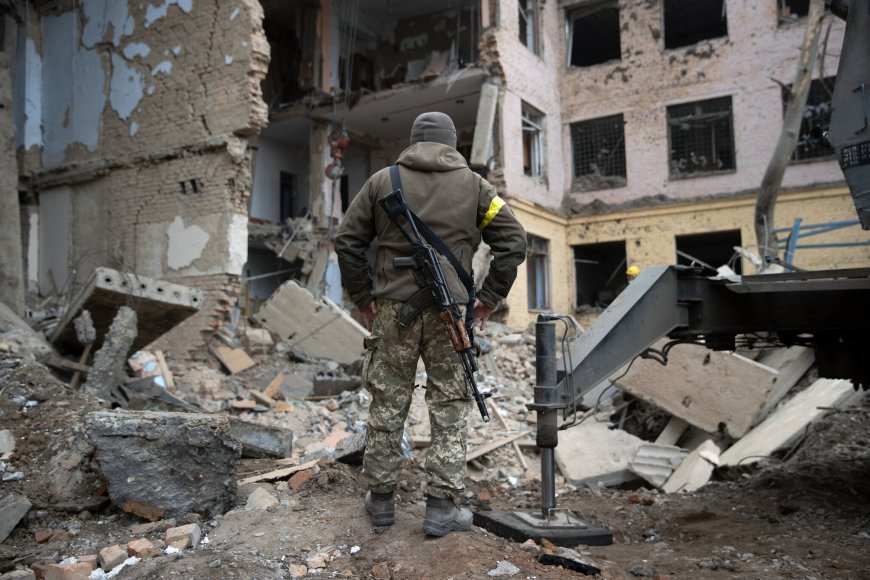
When the Russia-Ukraine War disrupted grain exports, the immediate headlines focused on Europe.
The long-term consequences landed in Africa.
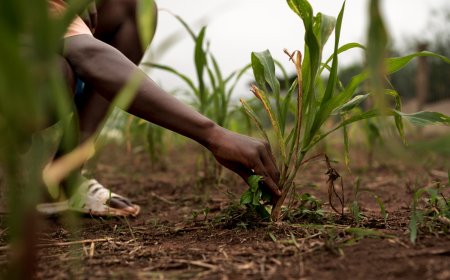
Ukraine and Russia collectively supply a significant percentage of global wheat and fertilizer exports. Any interruption in that flow tightens global supply and increases commodity prices. For Kenya, where agriculture remains central to both GDP and employment, fertilizer pricing and grain imports are not distant concerns. They are structural levers.
When fertilizer costs rise:
-
Smallholder farmers reduce application rates
-
Crop yields decline
-
Domestic food supply tightens
-
Retail food prices rise
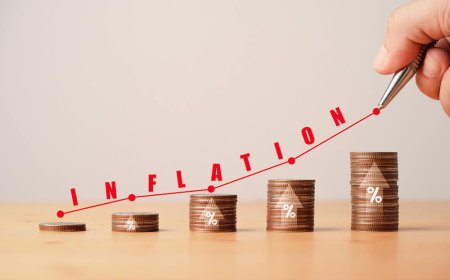
The knock-on effects extend beyond agriculture. Food inflation compresses household budgets, shifting consumer spending away from discretionary sectors like hospitality, fashion, electronics, and leisure.
This is why food security is no longer just an agriculture ministry issue.
It is a CEO issue.

Businesses must now factor food inflation into demand forecasting. Retailers must anticipate shifting consumption patterns. Manufacturers must price cautiously in price-sensitive environments.
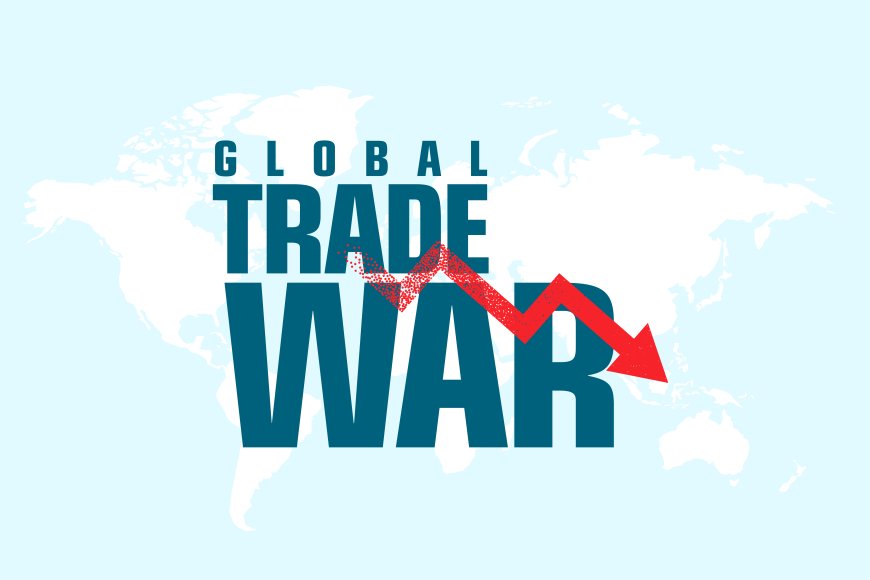
War has moved agriculture from rural policy debate to urban boardroom strategy.
The modern CEO must now understand geopolitics, capital flows, and operational risk as fluently as marketing and sales. Spaces that foster these multidimensional discussions, including the upcoming April Summit CEOs Forum, are gaining renewed relevance.
What's Your Reaction?
 Like
0
Like
0
 Dislike
0
Dislike
0
 Love
0
Love
0
 Funny
0
Funny
0
 Angry
0
Angry
0
 Sad
0
Sad
0
 Wow
0
Wow
0