


































































































Malawi Implements Free Secondary Education Across Public Schools
malawi-free-secondary-education-2026

In a major policy breakthrough, Malawi has abolished public secondary school fees starting January 2026, effectively expanding access to education at both the primary and secondary levels. The policy removes exam fees, identity card costs, and school development levies, ensuring that learners from all backgrounds can attend school without financial barriers.
This reform aligns with global education goals such as the United Nations’ Sustainable Development Goal 4 and mirrors growing continental momentum toward universal access to quality education. While implementation challenges remain like infrastructure and teacher shortages Malawi’s decision has been widely praised as a transformative step toward bridging inequities and unlocking youth potential.
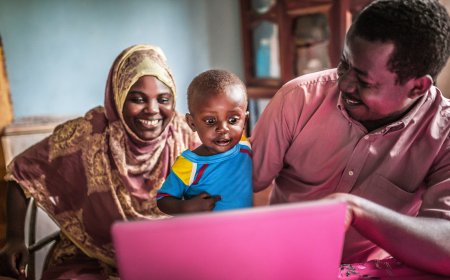
For many families, this move represents hope for a brighter future, where education is not a luxury but a realized right, reinforcing Africa’s role as a leader in inclusive social policy.
Why This Matters for CEOs
1. Long-Term Talent Pipeline
Increased education access expands future skilled workforce pools.
2. CSR & ESG Alignment
Education reforms create partnership opportunities for impact-driven businesses.
3. Market Expansion
An educated population increases purchasing power and economic participation.
4. Brand Positioning
Companies supporting education reform strengthen public trust and reputation.
5. Regional Strategy Insight
Policy shifts in one country often influence others CEOs must anticipate trends.
What's Your Reaction?
 Like
0
Like
0
 Dislike
0
Dislike
0
 Love
0
Love
0
 Funny
0
Funny
0
 Angry
0
Angry
0
 Sad
0
Sad
0
 Wow
0
Wow
0